


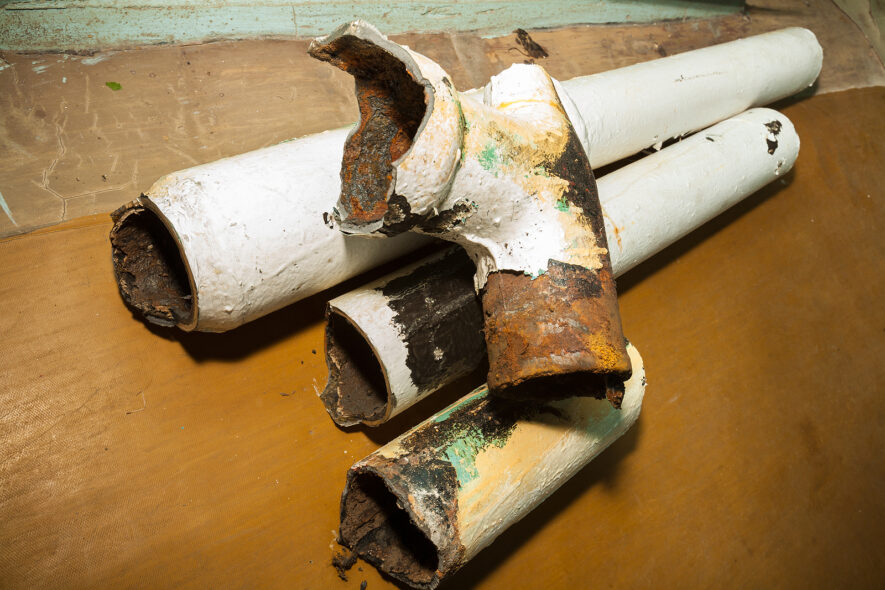
What a Cast Iron Pipe Restoration Plan Should Include Before Any Floors Are Opened
Cast iron drain pipes can stay out of sight for decades. That is part of the problem. By the time a homeowner notices sewer odors, slow drains, recurring backups, or staining near the base of a wall, the pipe condition may already be affecting daily…
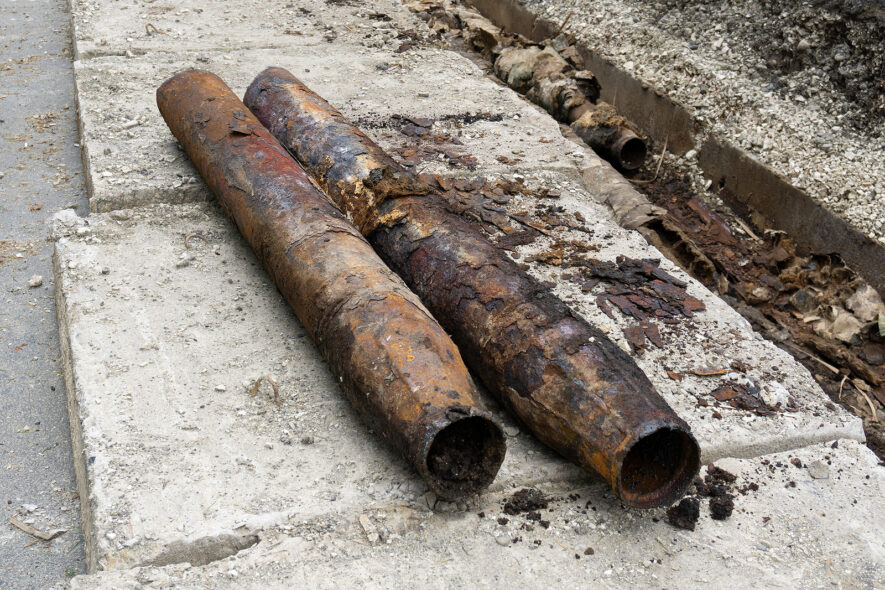
Why Repeated Drain Backups in Older Homes Often Trace Back to Cast Iron Scale Buildup
Repeated drain backups can make a homeowner feel like the plumbing has a mind of its own. A toilet backs up one week, then the shower drains slowly the next. A kitchen sink clears after service, only to start acting up again a short time…
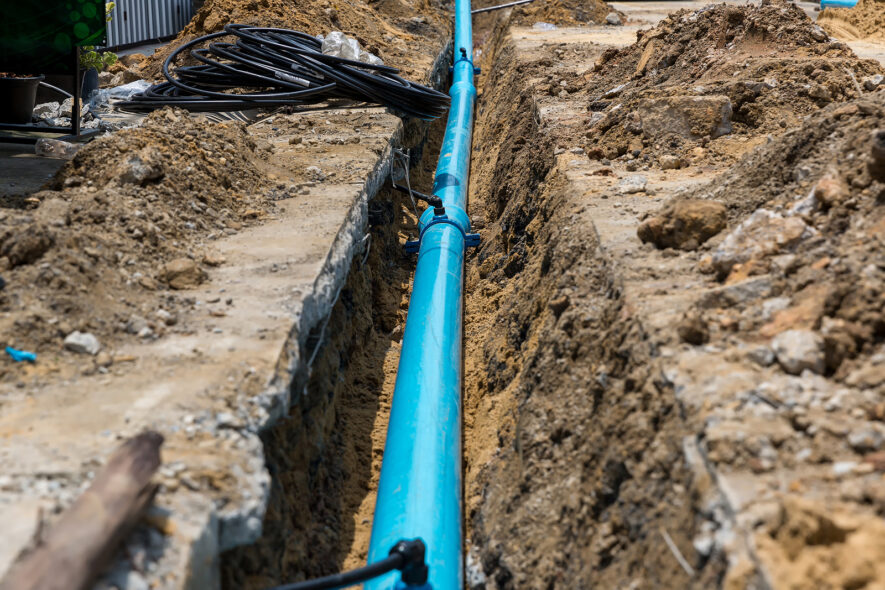
How Drain Refinishing Restores Interior Pipe Flow Without Full Pipe Removal
Drain problems have a way of building slowly. At first, the sink drains a little slower than usual. Then a shower starts holding water around your feet. A toilet may gurgle after the washing machine runs. A few weeks later, the same line backs up…
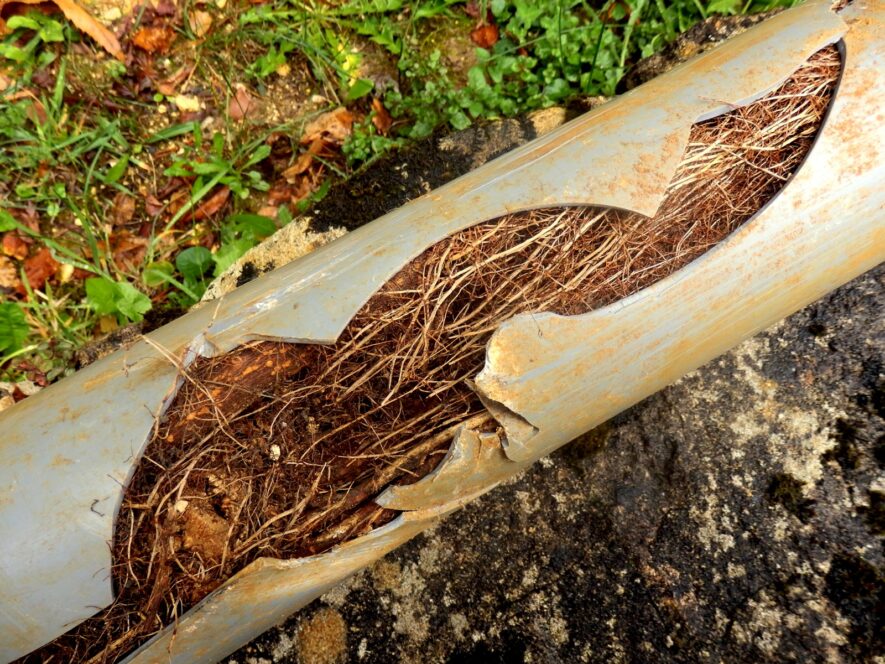
What Recurring Root Intrusion Means for Homes Considering Interior Pipe Lining
Recurring root intrusion tells you something important about the condition of a drain line. It usually means the problem goes beyond one clog. Roots do not enter a healthy, fully sealed pipe without a reason. They find gaps, cracks, weak joints, or rough openings where…
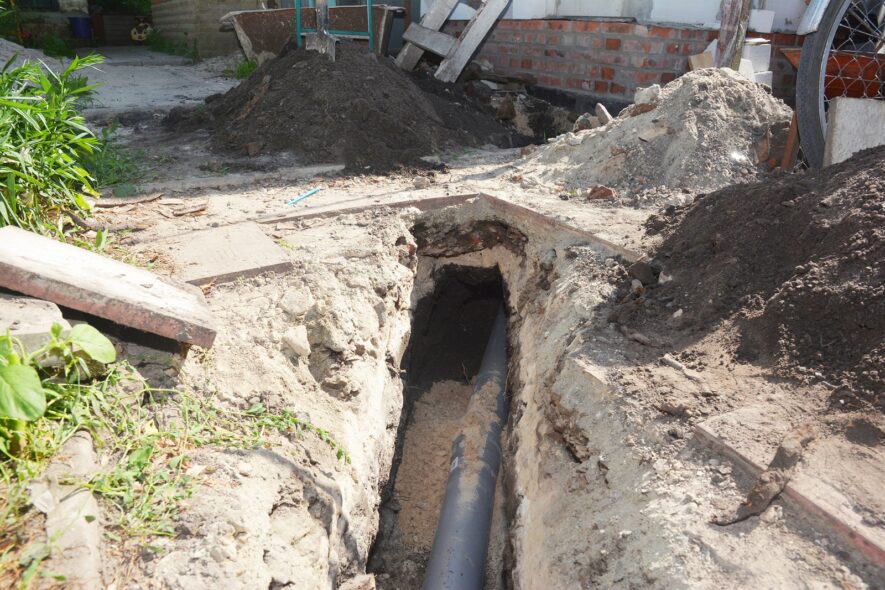
How Trenchless Drain Pipe Repair Reduces Property Disruption During Sewer Restoration
A sewer line problem can make homeowners worry about two things at the same time. The first is the pipe itself. The second is the damage that may happen while trying to reach it. Many people hear the words sewer restoration and immediately picture torn-up…
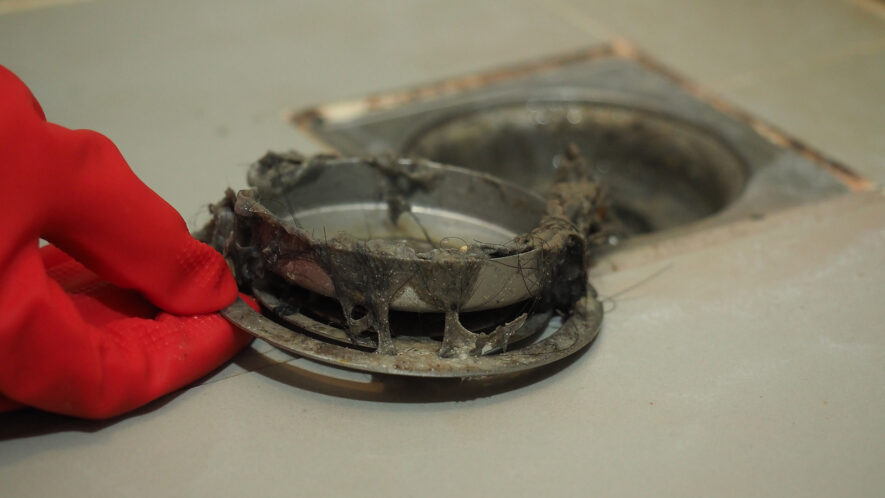
How Cracked Exterior Drain Lines Create Soft Ground Without Immediate Backups Indoors
A lot of homeowners expect drain line problems to announce themselves inside the house first. They picture a toilet backing up, a shower filling with dirty water, or a sink that stops draining altogether. That does happen in some cases, but not every exterior drain…
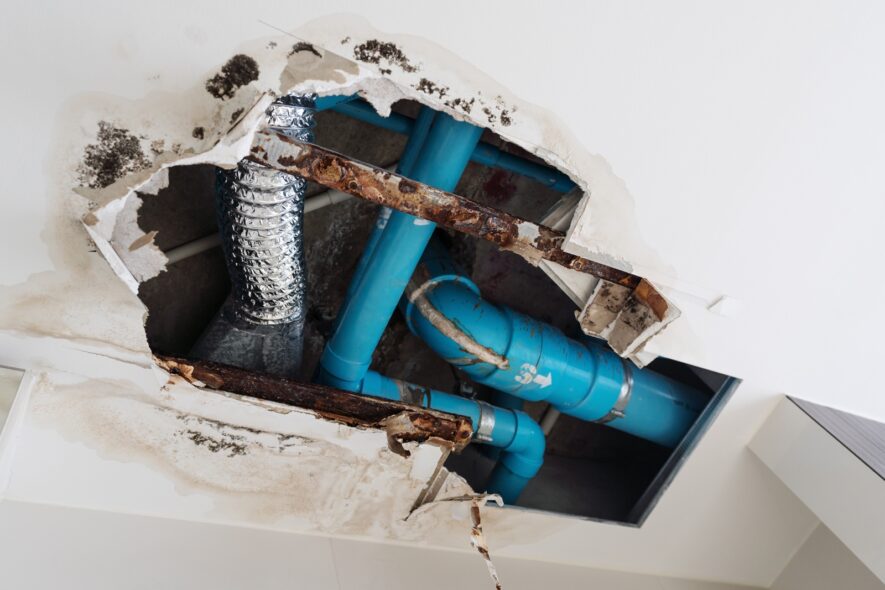
What a Complete Leak Repair Plan Should Include Before the First Wall Is Opened
A leak can make any homeowner feel rushed. You see a stain on the ceiling, smell something musty near a wall, or notice a floor area that feels warm or damp. The first instinct usually sounds simple: open the wall, find the pipe, fix the…
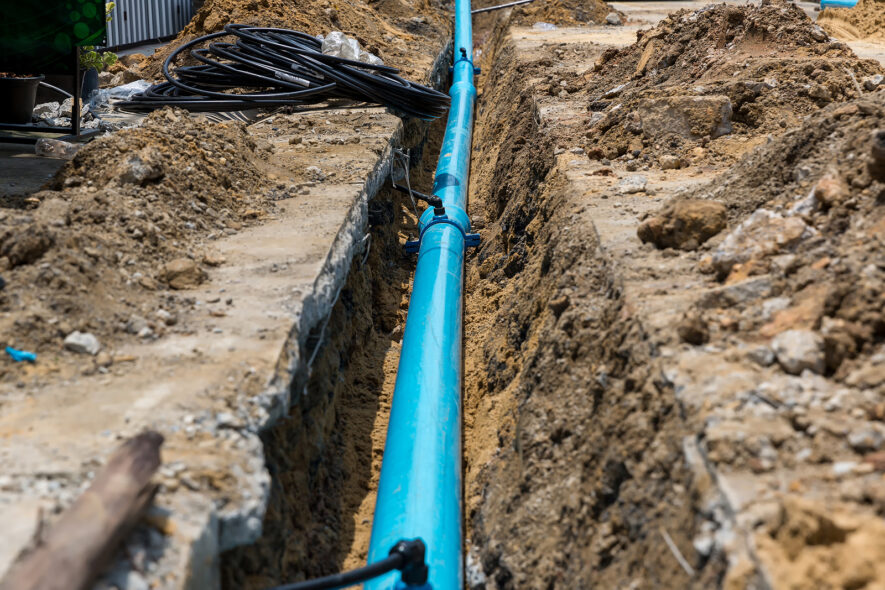
Why Exterior Pipe Repairs Need More Than a Patch When Soil Movement Caused the Break
An exterior pipe leak often looks simple from the surface. You notice a soggy patch in the yard, a section of grass that grows faster than the rest, or muddy soil near the side of the house. A repair team opens the ground, finds the…
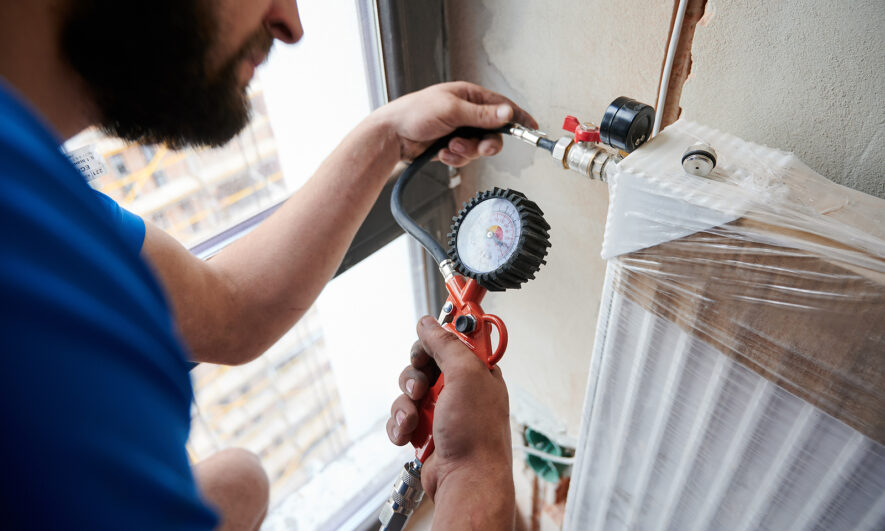
Why Leak Detection Gets More Accurate When Multiple Tools Confirm the Same Area
A water leak can hide behind a wall, beneath a floor, under a slab, or out in the yard where no one sees it. That is why leak detection should never rely on one clue alone. A sound, a warm spot, a wet baseboard, or…
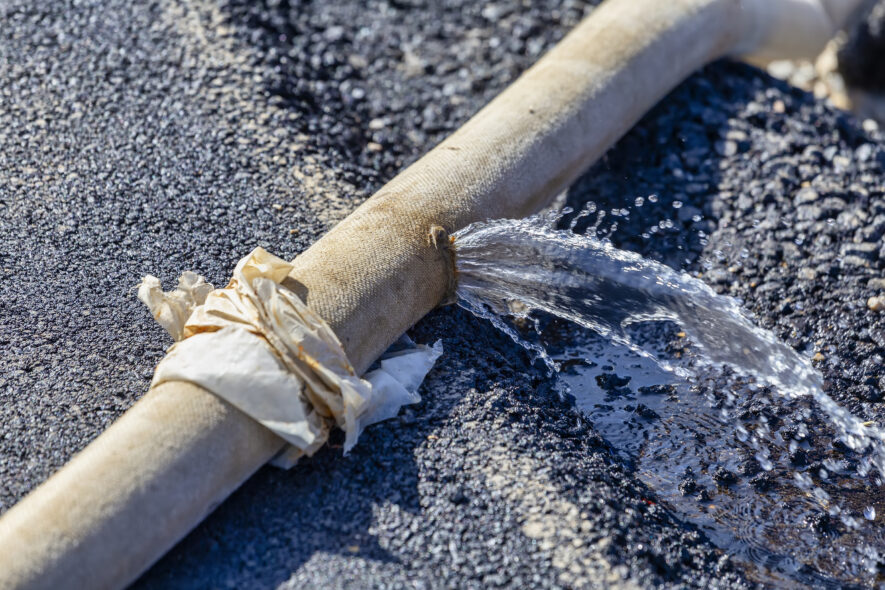
How Leak Detection Finds Water That Traveled Far From the Original Pipe Failure
A lot of homeowners expect water damage to show up right where the leak started. That sounds logical. A pipe breaks, water comes out, and the wet spot appears directly below it. In real homes, that often is not what happens. Water moves. It follows…