


Repeated Ceiling Dampness After Heavy Rain With No Roof Damage Found
You notice a faint stain on the ceiling after a strong afternoon storm. It dries within a day. A week later, another storm rolls through, and the damp spot returns in the same place. You call a roofing company. They inspect shingles, flashing, and vents. Everything looks fine. Yet the ceiling continues to show moisture after heavy rain.
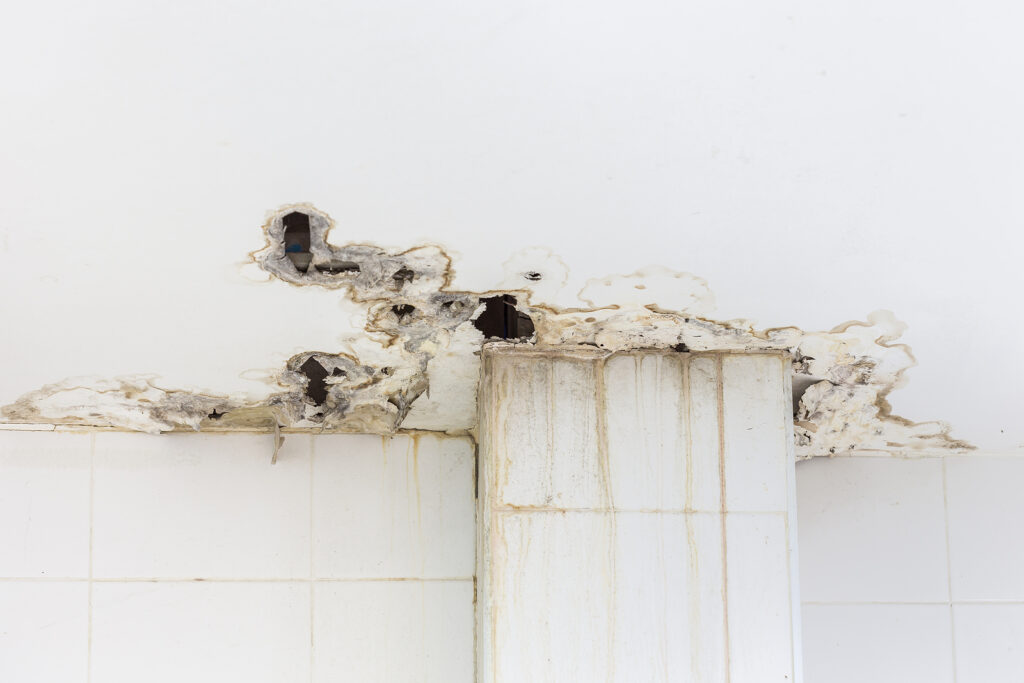
This situation confuses many homeowners across Orlando and Central Florida. When no obvious roof damage appears, people often wonder what else could cause ceiling dampness.
Repeated ceiling moisture after rain usually points to water intrusion, not necessarily roof failure. Water travels in surprising ways before it shows itself indoors. Understanding how that happens helps you stop the problem at its true source.
Leak Doctor Inc. helps homeowners trace hidden water paths and identify why ceiling dampness keeps returning even when the roof appears intact.
Why Roof Inspections Do Not Always Reveal the Source
Roof inspections focus on visible materials such as shingles, tiles, flashing, and vents. If those components remain secure, the roof may not be the primary issue.
Water does not always enter straight down through a damaged shingle. In heavy rain, wind pushes water sideways. Rain can travel upward under flashing or along siding. Moisture may enter through small openings near roof-to-wall transitions.
By the time water reaches your ceiling, it may have traveled several feet from the entry point. That distance makes visual inspection alone unreliable.
How Wind-Driven Rain Changes the Equation
Orlando and Central Florida storms often bring strong winds with heavy rain. Wind pressure forces water into tiny gaps.
Areas that become vulnerable during wind-driven rain include:
- Roof-wall intersections
- Window head flashing
- Chimney connections
- Soffit vents
- Gable ends
- Exterior wall penetrations
Water entering at one of these points can move behind framing and insulation before it drips onto a ceiling surface. That movement explains why no roof damage appears, even though moisture shows indoors.
The Role of Exterior Wall Intrusion
Many ceiling dampness cases originate from walls rather than roofing materials.
Here is how it happens:
- Rainwater hits exterior siding or stucco.
- Water enters through small cracks or failed sealant.
- Moisture runs downward behind the wall cavity.
- It follows framing until it reaches a horizontal surface such as a ceiling joist.
- It collects and eventually saturates drywall below.
Because the entry point sits higher or farther away, roof inspections may miss it entirely. Wall intrusion often causes ceiling stains near exterior walls.
Attic Pathways That Carry Water
Once moisture enters the attic space, it can travel along rafters or trusses. Wood framing acts like a channel.
Water may:
- Run along the underside of roof decking
- Follow nails into insulation
- Drip onto ceiling drywall in a different room
Attic inspections sometimes show dry shingles above but damp insulation below. Tracking the pathway requires careful testing and moisture mapping.
Why Dampness Appears Only During Heavy Rain
Some leaks only activate under specific conditions. Light rain may not create enough pressure to force water inside. Heavy storms with wind change the angle and volume of water hitting the home.
That explains why ceiling dampness appears only during intense rainfall and not during mild showers. The pattern of occurrence helps narrow the source.
Failed Flashing and Hidden Gaps
Flashing seals transitions between materials. Even small flashing gaps allow water entry.
Common flashing trouble spots include:
- Step flashing along roof edges
- Kick-out flashing near gutters
- Chimney flashing seams
- Valley flashing intersections
These components may look intact from above yet allow water behind siding. Moisture then travels unseen until it reaches interior drywall.
Soffit and Vent Intrusion
Soffit vents allow attic ventilation. During strong wind-driven rain, water may enter through vent openings. Clogged gutters worsen this issue. Water overflowing near soffits increases exposure. Ceiling dampness near exterior edges sometimes traces back to this pathway.
Condensation vs Rain Intrusion
Not all ceiling dampness comes from rain entry. High humidity in Central Florida can create condensation problems. Warm, moist air inside the attic can condense on cooler surfaces. Poor attic ventilation increases that risk.
Signs of condensation issues include:
- Uniform dampness across larger ceiling areas
- Moisture without direct rainfall
- Mold growth near attic insulation
Proper inspection distinguishes between intrusion and condensation.
Plumbing Misdiagnosis
Homeowners sometimes assume rain causes ceiling moisture when a plumbing issue exists above the damp spot. Plumbing lines on upper floors can leak during storms if pressure changes or fixtures run frequently.
Testing should rule out plumbing before focusing only on exterior intrusion. Professional leak detection ensures accurate identification.
Why Stains Reappear After Painting
Painting over water stains may temporarily hide discoloration. Without stopping the water source, moisture returns. Repeated dampness indicates an unresolved entry point. Each storm reactivates the pathway. Addressing only cosmetic damage allows structural materials to stay wet longer.
The Risk of Ignoring Repeated Dampness
Ceiling moisture does more than stain drywall.
Over time, it can:
- Weaken framing
- Saturate insulation
- Promote mold growth
- Damage electrical wiring
- Cause drywall sagging
Humidity in Central Florida slows drying. Persistent dampness creates hidden structural deterioration. Early intervention prevents larger issues.
How Professionals Locate the True Source
Accurate diagnosis requires more than surface inspection.
Leak detection specialists use:
- Thermal imaging
- Moisture meters
- Controlled water testing
- Exterior seal inspection
- Attic moisture evaluation
Controlled testing simulates rainfall in specific areas. Technicians observe how water travels. Thermal cameras detect temperature differences caused by wet materials. Moisture readings confirm active dampness. Leak Doctor Inc. applies these methods to identify entry points without unnecessary demolition.
Common Repair Approaches
Repair depends on a confirmed source.
Possible solutions include:
- Resealing window perimeters
- Replacing damaged flashing
- Repairing stucco cracks
- Redirecting gutter flow
- Improving attic ventilation
Stopping water at the entry point forms the first step. Drying affected materials follows immediately. Verification ensures moisture levels return to a safe range before closing any openings.
Prevention Tips for Central Florida Homes
Homeowners can reduce risk through routine checks.
Consider:
- Inspecting exterior sealant yearly
- Cleaning gutters regularly
- Checking attic insulation after storms
- Trimming tree branches away from the siding
- Monitoring ceiling spots closely
Storm-prone regions demand proactive maintenance.
When to Schedule an Inspection
Seek professional help if you notice:
- Damp ceiling after multiple heavy storms
- Stains near exterior walls
- Musty odors after rain
- No visible roof damage but repeated moisture
Timely inspection prevents long-term structural repair.
FAQs
Can ceiling dampness happen without roof damage?
Yes. Wall intrusion, flashing gaps, or soffit entry often cause moisture.
Why does the stain only appear after heavy rain?
Strong wind and rain force water into small openings not exposed during light showers.
Should I repaint the ceiling?
Painting alone will not fix active water intrusion.
Can humidity cause ceiling moisture?
High attic humidity can create condensation issues.
How quickly should I act?
Prompt evaluation prevents mold and structural damage.
Stop Ceiling Dampness Before It Spreads
Repeated ceiling moisture after storms requires an accurate diagnosis. Leak Doctor Inc. identifies hidden intrusion sources across Orlando and Central Florida. Call 407-426-9995 today for professional leak detection and protect your home from ongoing water damage.